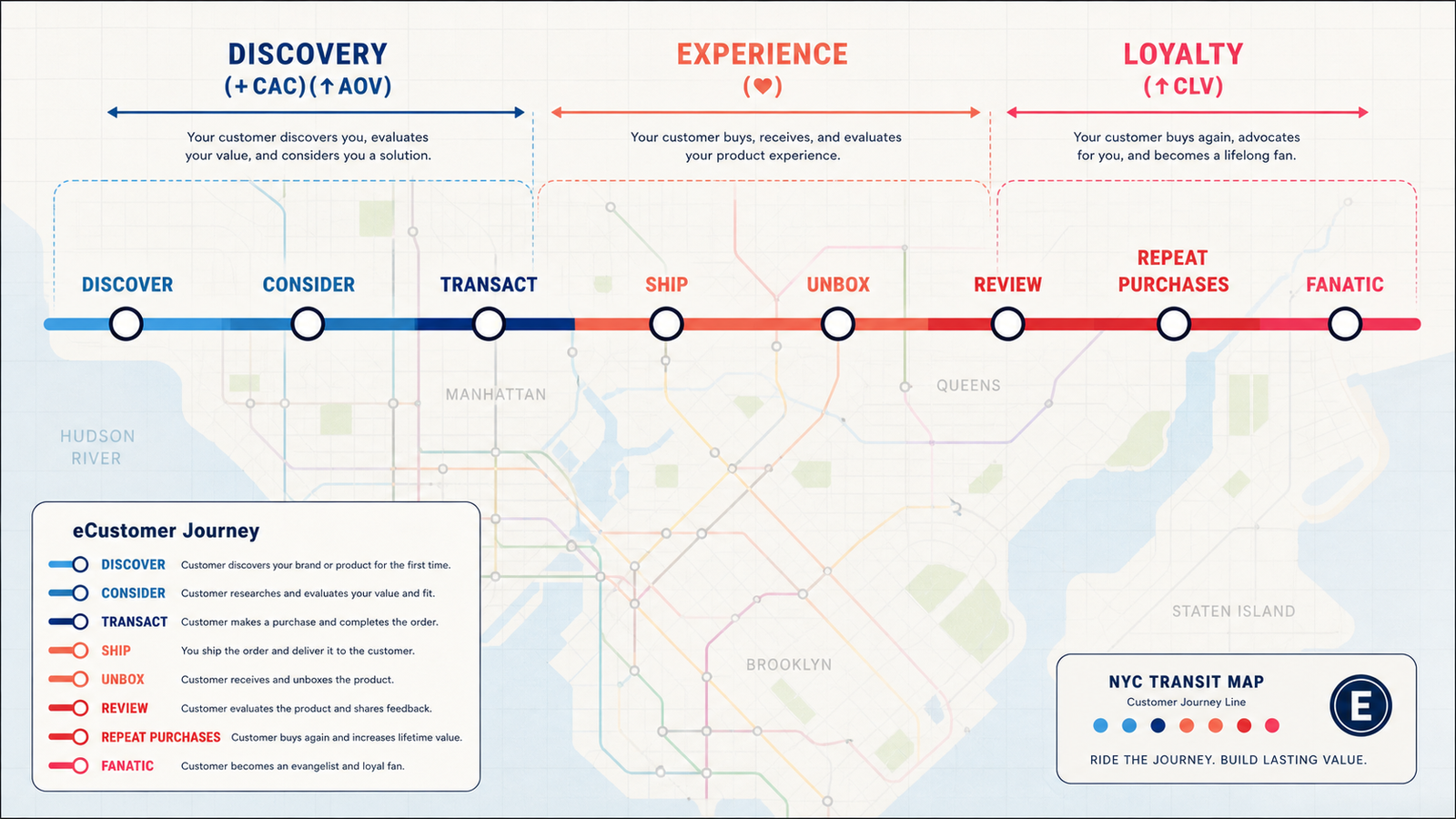

30-Second Executive Summary
The red napkin strategy pairs a good first experience with a clear reason to return. For Shopify merchants, that starts with delivering the product as promised and helping customers enjoy it.
Follow with a relevant second-purchase offer, thank returning customers, and invite them to stay connected through useful emails. Track whether those repeat orders remain profitable after discounts, gifts, and fulfilment costs.
The experience earns confidence. Thoughtful follow-up helps turn that confidence into another purchase.
Give Customers an Experience They Want to Repeat
In an interview with Gary Vaynerchuk, Bar Rescue host Jon Taffer describes a restaurant strategy that starts with a complimentary rib dinner for first-time guests.
When those guests arrive, they receive red napkins instead of white ones. The colour tells staff to recognize and look after a new customer.
Guests do not need to understand the signal to appreciate the attention it prompts.
After a good meal, the manager recommends the chicken and writes an offer for another visit on a business card. When the customer returns, the manager follows that experience with an invitation to try the cheesecake.
Each visit combines attentive hospitality with a specific reason to come back.
Make the Details Support Your Product
Your Shopify brand can apply the same thinking through accurate orders, protective packaging, clear instructions, and useful follow-up.
Mary Jo Bitner’s servicescape framework examines how physical surroundings and cues influence customers and employees. Packaging, labels, and printed guidance offer practical places to apply that thinking to a product purchase.
A cookware customer may appreciate seasoning instructions. A coffee buyer may value a brewing guide. These details help customers enjoy what they bought.
Resolve problems before sending another offer. A discount cannot repair a damaged product or answer an unresolved question.
1. Encourage a Second Purchase With a Relevant Offer
Once customers have received and had time to enjoy their product, recommend something that complements it.
A coffee brand might introduce another roast. A cookware brand might recommend an accessory.
Explain why the next product is relevant and include an offer your margins can support. Like the restaurant manager recommending the chicken, you are giving customers something specific to return for.
2. Recognize Their Return With a Thank-You and a Gift
When customers buy again, acknowledge that they chose your brand a second time.
Send a thank-you and a useful gift with their order or as a separate delivery. Choose something that complements their purchase and keeps product and shipping costs manageable.
Invite an honest review, while making clear that the gift is theirs whether or not they leave one. Encourage transparency about receiving the gift if they write a review.
The gesture shows that you noticed their return and appreciate their business.
3. Invite Them to Stay Connected Through Your Newsletter
Follow with an invitation to join your community newsletter. Explain what subscribers receive and why it is useful.
Share content that helps customers get more from their products, such as brewing advice, recipes, care instructions, or customer ideas.
Useful emails give people a reason to stay connected between purchases and create opportunities to introduce another relevant product.
Measure Whether Customers Return Profitably
Customer lifetime value considers the value a customer generates throughout their relationship with your business. Additional profitable purchases can increase it.
Use three questions to assess your sequence:
- Do customers return? Track how many first-time buyers place another order.
- When do they return? Measure the time between purchases against your product’s buying cycle.
- Are those orders profitable? Account for product costs, fulfilment, gifts, discounts, and other relevant costs.
Start with one second-purchase offer and a follow-up sequence you can deliver consistently.
Give Customers a Reason to Choose You Again
The customer never needs to know why the napkin was red. They need to enjoy what they bought and have a reason to choose you again.
Continue with Part 2 to learn how the Gaps Model can help you identify where your Shopify brand’s promises and customer experience fall out of alignment.